€6.00 – €43.00Price range: €6.00 through €43.00
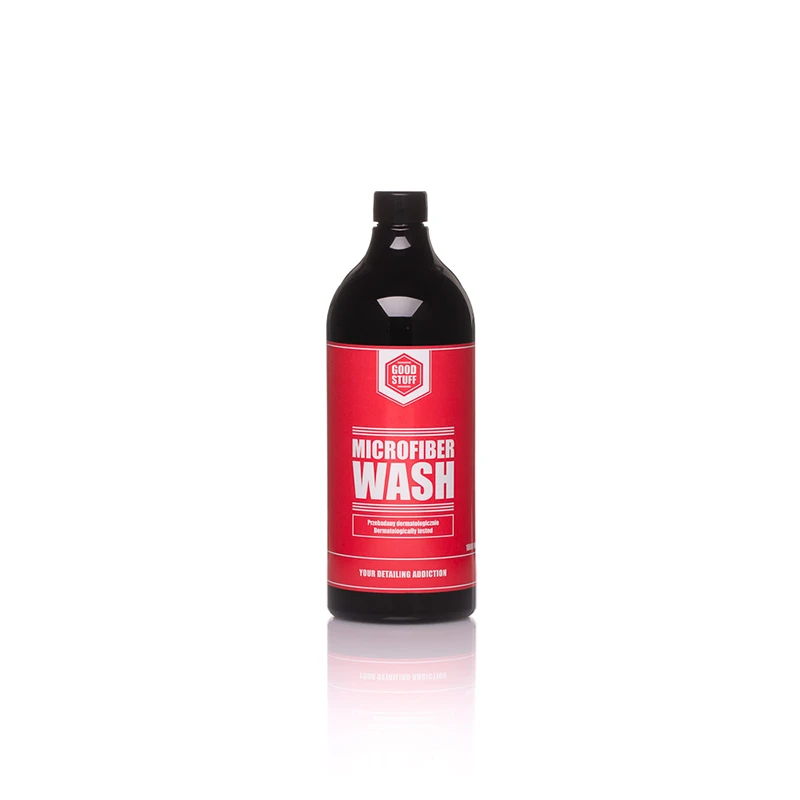
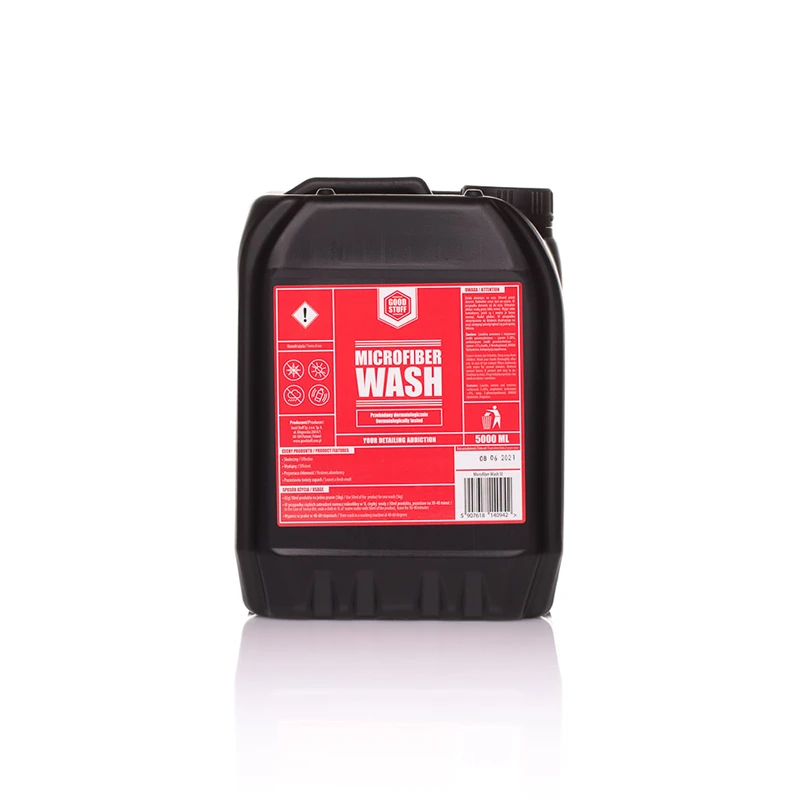
Microfiber Wash is a professional-grade detergent specifically formulated to maintain and restore the high-performance characteristics of automotive microfibers. Standard household detergents often contain perfumes and fabric softeners that coat the fibres, clogging the “pores” and destroying the cloth’s ability to absorb water and trap dust. This specialised agent penetrates deep into the weave to break down stubborn waxes, oils, and polish residues, ensuring your towels remain as soft and effective as the day you bought them.
Dermatologically tested and safe for regular use, it is the essential maintenance product for extending the lifespan of your drying towels, buffing cloths, and wash mitts.
Absorbency Restoration: Strips away chemical residues that cause microfibers to “repel” water, returning them to peak performance.
Deep Cleaning Power: Specifically engineered to emulsify the heavy oils, waxes, and silicones found in detailing products that standard soaps cannot touch.
Fibre Protection: Prevents the delicate polyester/polyamide blend from becoming “crunchy” or stiff over time.
Dermatologically Tested: Safe for the user and designed to rinse out completely, leaving zero irritating residues.
Economical Usage: A high-concentration formula that requires only 50ml per full load, providing excellent value for frequent detailers.
Type: Specialised Microfiber Detergent
Dosage: 50ml per 5kg load
Soaking Ratio: 50ml per 1L of water (for heavy soiling)
Wash Temperature: 40°C – 60°C
Safety: Dermatologically tested
Standard Machine Wash: Add 50ml of Microfiber Wash to your machine’s detergent drawer for a 5kg load.
Heavy Soiling: For towels used for waxes or engine bays, soak the cloths in 1L of warm water with 50ml of product for 30–40 minutes before putting them in the machine.
Temperature Control: Wash at 40°C for general maintenance or up to 60°C for heavily contaminated cloths.
Drying: Air dry or tumble dry on the lowest possible heat setting. High heat will melt the plastic-based fibres, making them scratchy and dangerous to paint.